#HRMS software
Manual HR Management vs Automated HR Management: Key Differences
HR admin and HR manager have more responsibilities on an employee, such as managing employee records, attendance tracking, payroll processing, leave requests and more. Today, some organisations still depend on manual methods, others are moving towards digital solutions to simplify their HR activities. Manual HR management involves paperwork, spreadsheets and physical documents. Through these methods, it becomes difficult to manage as an organisation grows.
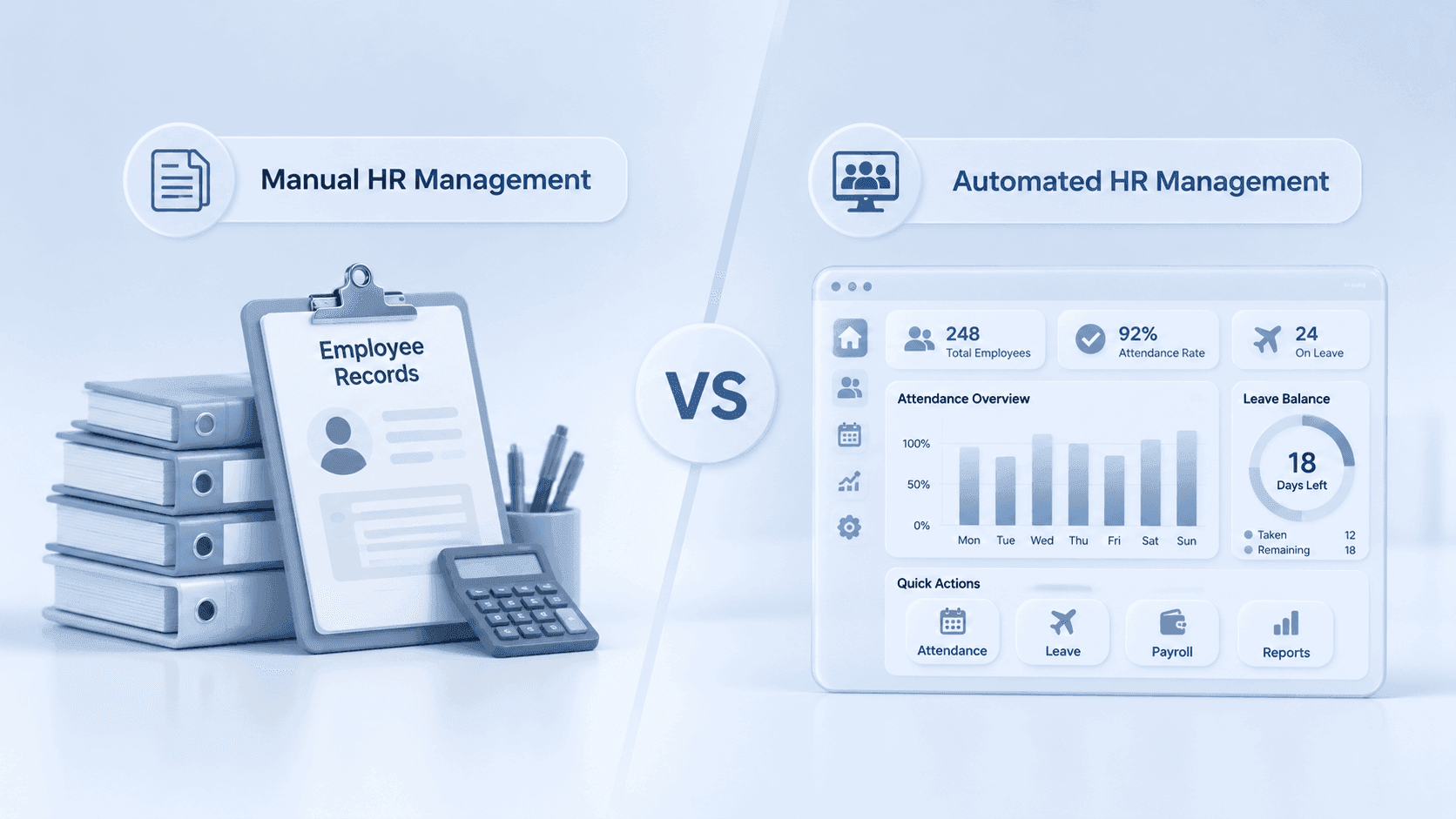
On the other hand, automated HR management uses technology to streamline HR operations. It becomes easy to manage HR activities. An advanced human resource management system makes a significant impact on every business operation. Understanding the differences between these two approaches helps businesses to identify the right decision. In this blog, we will discuss how manual and automated HR management differ.
What is Manual HR Management?
Manual HR management handles HR activities through the old ways without using any digital tools. It collects employee details, attendance, payroll, leave requests by using paper sheets or emails. While HR teams are responsible for updating the daily information, checking records, preparing reports and coordinating approvals. For organisations with a small workforce, this may be enough , but in a large workforce it is not possible.
What is Automated HR Management?
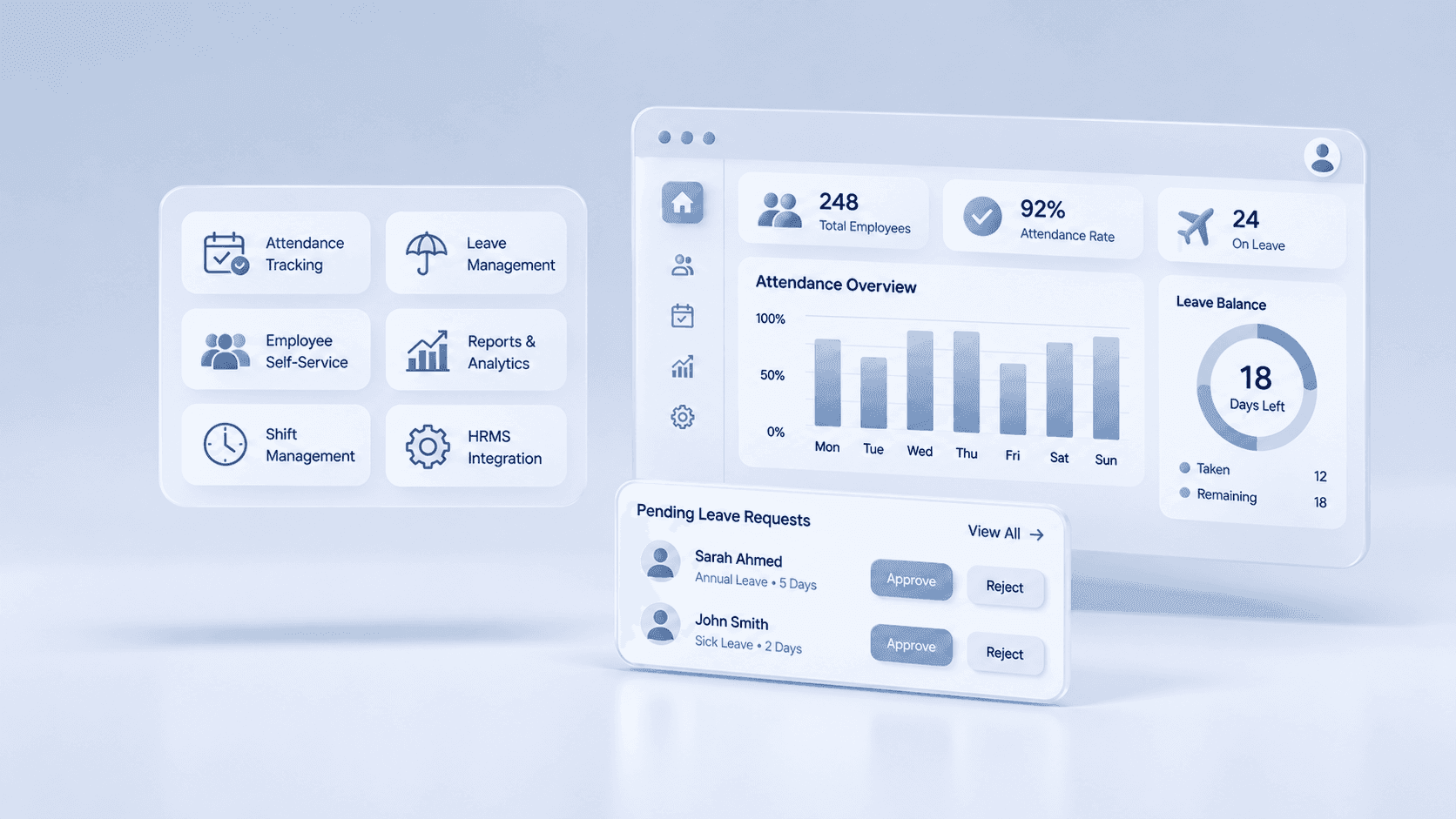
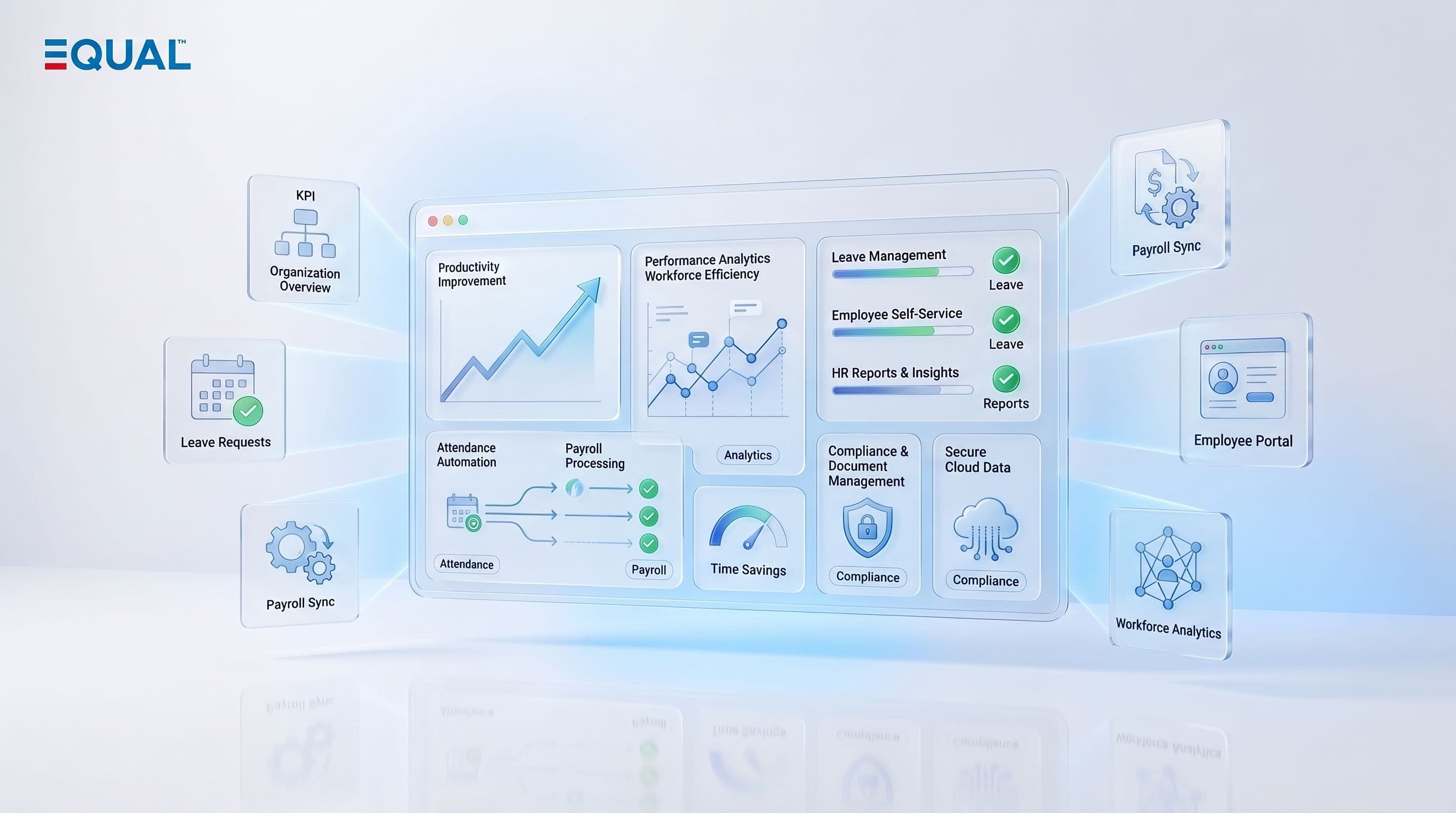
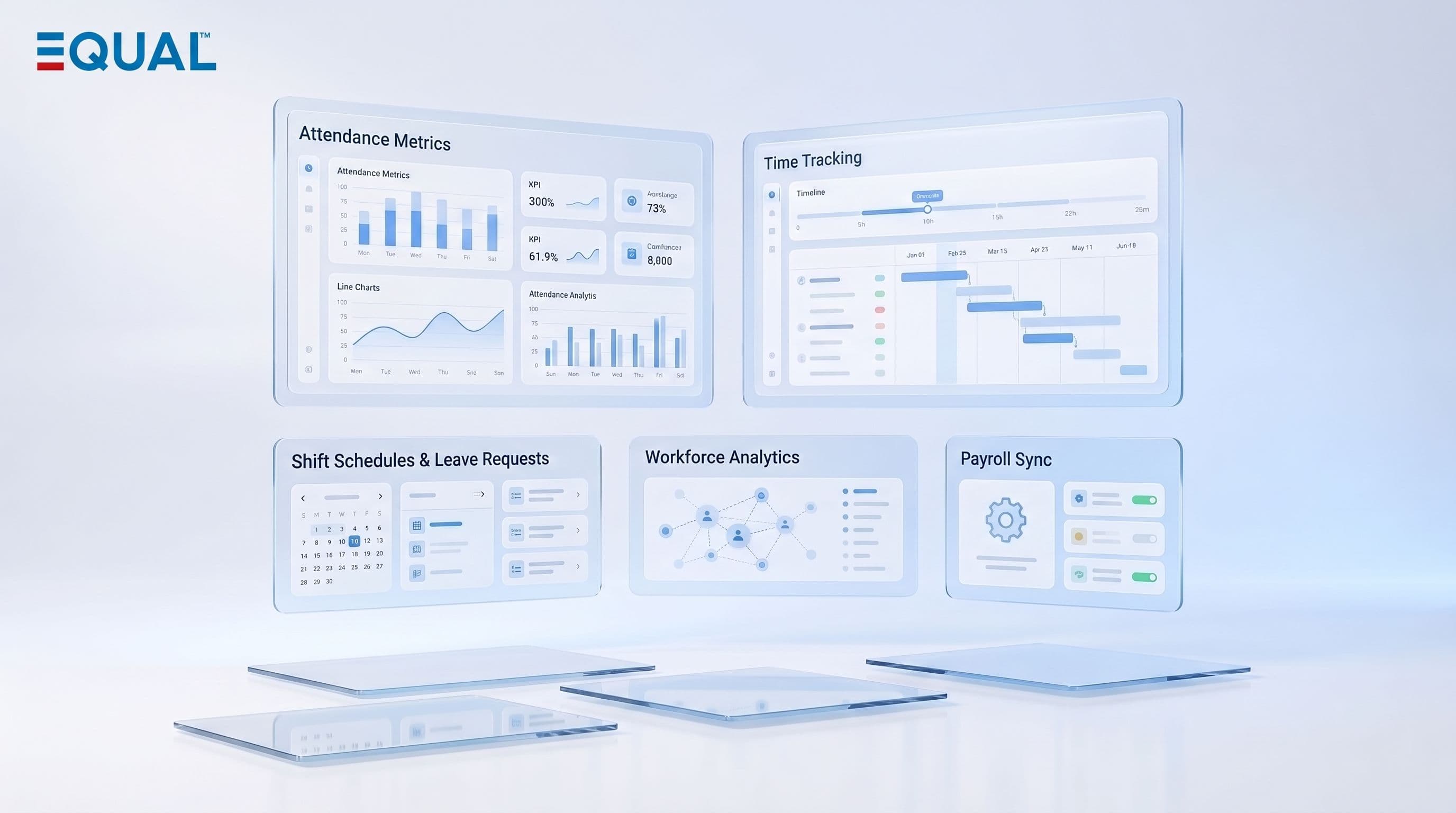
Automated HR management uses digital tools and software to manage different human resource activities. It does not depend on paperwork and separate spreadsheets, businesses can use employee information and everyday HR operations from a one centralised platform. With HR automation, daily activities such as attendance tracking, leave management, payroll processing, employee record maintenance and report generation can be handled through software.
Manual HR Management vs Automated HR Management: Key Differences
Both approaches aim to support employee administration, but they differ in how HR activities are performed, monitored and managed. Here are the key differences:
Employee Record Management
In manual HR management, employee details are maintained using files and spreadsheets, it takes time to update and retrieve information. While automated HR management stores employee records in a one centralised system, HR teams can access, update and manage employee information easily.
Attendance and Leave Management
Manual attendance and leave management need to record working hours, calculate attendance and update leave balances separately. With automated HR management, attendance and leave can be tracked through integrated systems, employees can submit their leave requests and attendance through this system. This helps HR and managers to approve employees request through digitally.
Payroll Processing
Manual payroll collecting attendance details, calculating salaries, checking overtime and applying deductions separately for the payroll process. An automated HR management simplifies these activities by using one platform to support salary calculations and payroll processing. It collects the information without delay.
Employee Requests and Approvals
In manual HR management, employees need to submit their requests through emails or paper sheets. But in the automated HR management system, employees submit their requests digitally. Automated HR management helps managers to review, approve and track the request from one platform. But in manual HR management, managers track and approve requests separately.
HR Reports and Data Analysis
Preparing HR reports manually requires collecting information from different files and spreadsheets. Which takes time and lots of effort. An automated HR management generates reports using centralized data. It is easier to monitor attendance, leave, payroll and other HR activities.
Time and Administrative Effort
Manual HR processes have taken time and more effort for updating records, checking attendance and preparing payroll. It increases the workload for HR teams. But Automated HR management handles these daily activities easily, allowing HR teams to spend less time on the daily activities.
Data Storage and Accessibility
In manual HR management, employee information is stored in different files and folders, it may be difficult to find and share. Automated HR management keeps information in a centralised system, allowing users to access the required records more easily when they need to.
Benefits of Moving from Manual to Automated HR Management
Reduced Administrative Work
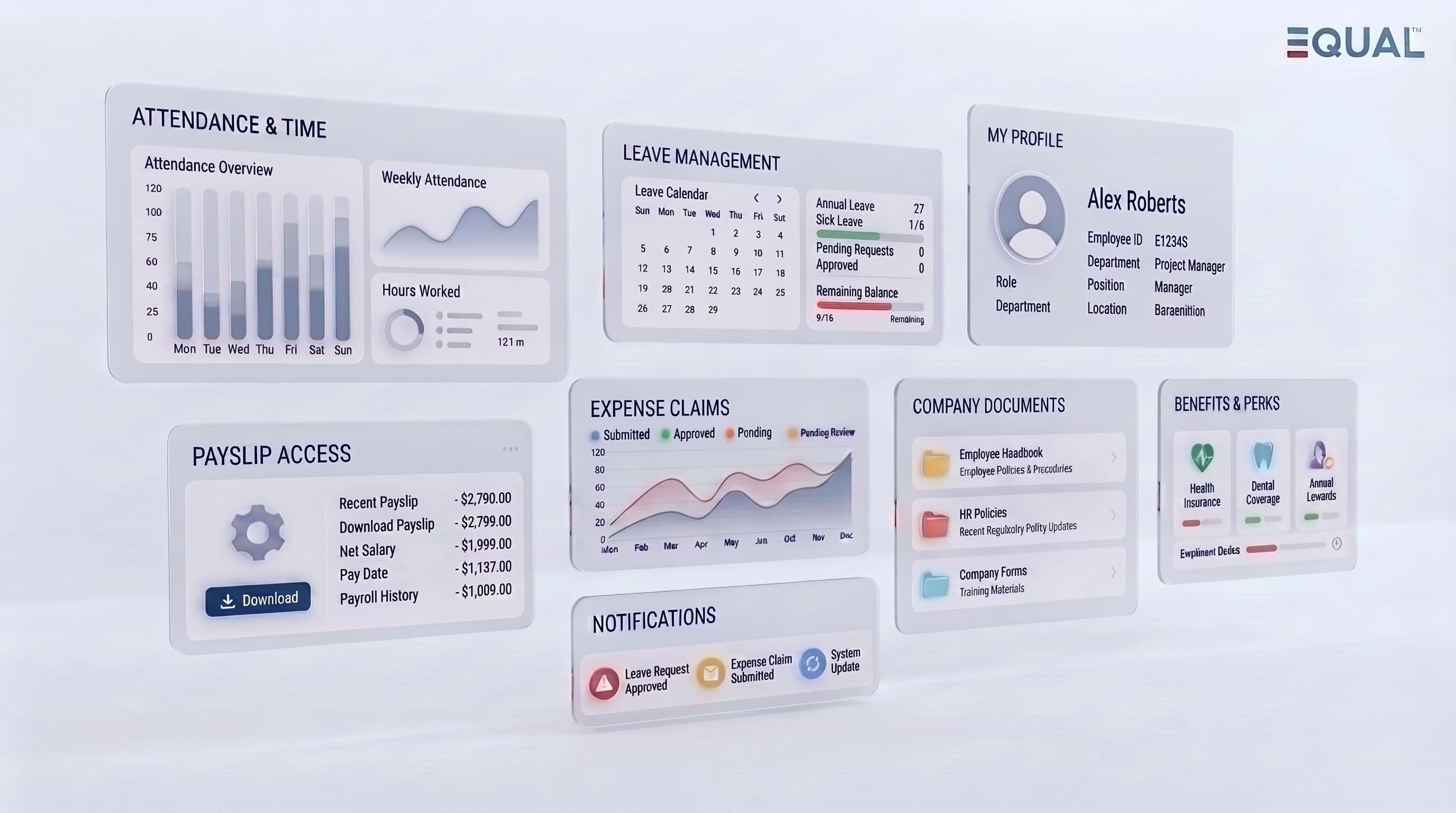
With employee self-service, employees complete many tasks independently and do not depend on HR.
Improved Data Accuracy
Employees can easily update their own information on employee portals independently. HR will record the information more clearly and accurately. This reduces duplicate data and errors.
Better Employee Experience
Employees can easily understand their information instantly without waiting for HR responses, leading to greater satisfaction and an enhanced workplace experience.
Faster HR Operations
Leave approvals, attendance tracking and payroll access become significantly faster through this platform. It will reduce delays and errors.
Centralised Information
Employee records, attendance details, payroll information and other HR data can be maintained within one system.
Improved Workforce Visibility
HR managers can easily view all the reports and current employee information for better understand workforce activities.
Easier Business Growth
An advanced HR solution provides a structured way to manage all employees activities through one platform. Through this, business can manage easily.
How to Choose the Right HR Management System for Your Business?
When you are selecting an HR management system, you must understand what your business needs. Before making a better decision, businesses should understand these following factors:
Easy to Use
Choose the software with a simple interface that supports HR teams and employees easily.
Cloud-Based Accessibility
A cloud-based software allows employees and owners to access attendance records anytime, anywhere from where you are.
Integration with HRMS Software
Ensure the system integrates with your existing HRMS Software, and it includes payroll, leave management and employee details correctly.
Real-Time Reporting
Proper reports play an important role in business growth. So, choose the software which would give correct reports, whether it is a small or big business.
Scalability
Ensure the software can support business growth without requiring a complete system replacement.
Data Security
Employee attendance records are the most sensitive information for every company. So, select the software with strong security features such as data encryption, role-based access and regular backups.
Mobile Compatibility
A mobile-friendly application allows employees to understand their check in, check out, request leave and view attendance records from their smartphones.
Reliable Customer Support
Choose a software provider that offers good technical support and regular updates for long-term success to your business.
FAQS
What is the main difference between manual and automated HR management?
Ans: Manual HR management uses paperwork and spreadsheets for the operations. But the automated HR management uses digital tools for the operations.
Is HR automation suitable for small businesses?
Ans: Yes. It is suitable for small businesses for their administrative tasks, maintaining organised employee records, attendance, leave and payroll management.
Why are businesses moving from manual to automated HR management?
Ans: It reduces paperwork, repetitive tasks, employee data management and makes everyday HR activities easier.
How does an HR Management System improve employee experience?
Ans: It improves employee experience by providing self-service access. Employees can easily view their details, attendance, leave requests and approval statuses.
Can an automated HR system manage multiple HR activities in one place?
Ans: Yes. An integrated HRMS can bring employee information, attendance, leave, payroll, performance evaluation and employee requests together on a single platform.
Does HR automation eliminate the need for HR professionals?
Ans: No. HR automation supports HR professionals by reducing repetitive administrative work.